Team Members
David McCarthy. 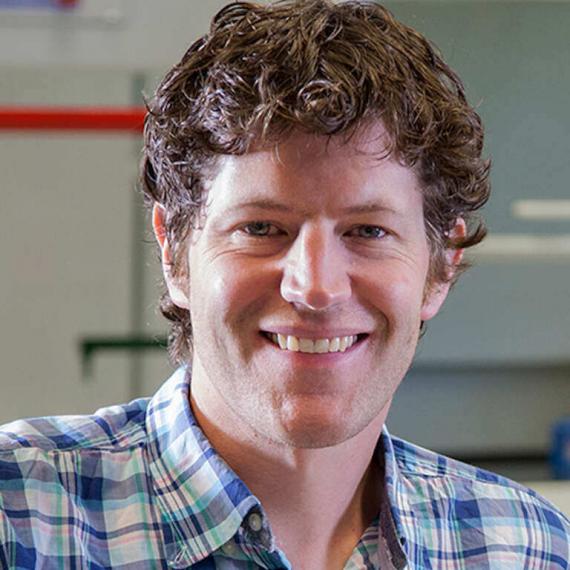 David is an environmental engineer focusing on the biosurveillance of pathogens in urban water systems and the development of methodologies to monitor and manage these to protect human health. His research spans health-related water microbiology, risk assessments, pathogen fate and transport, urban hydrology, stormwater management, green water treatment technologies, and novel IoT devices for the monitoring and sampling of water quality. David's work has significantly impacted industry practices, including the development of novel stormwater treatment systems and real-time monitoring and control technologies for urban water systems. My CV can be downloaded here: link.
 Amber Park. Amber is the program manager for the CERC. She has a multi-disciplinary research background, unified by a focus on human health-related microbiology. She holds a BSc in BioMedical Science from the University of Guelph and a PhD in Medical Science from the Farncombe Family Digestive Health Research Institute at McMaster University. She held a Post-Doctoral Fellowship at the University of Guelph with a focus on bacterial biofilms and antimicrobial resistance. She has held multiple industry positions in Mass Spectrometry R&D and project management.
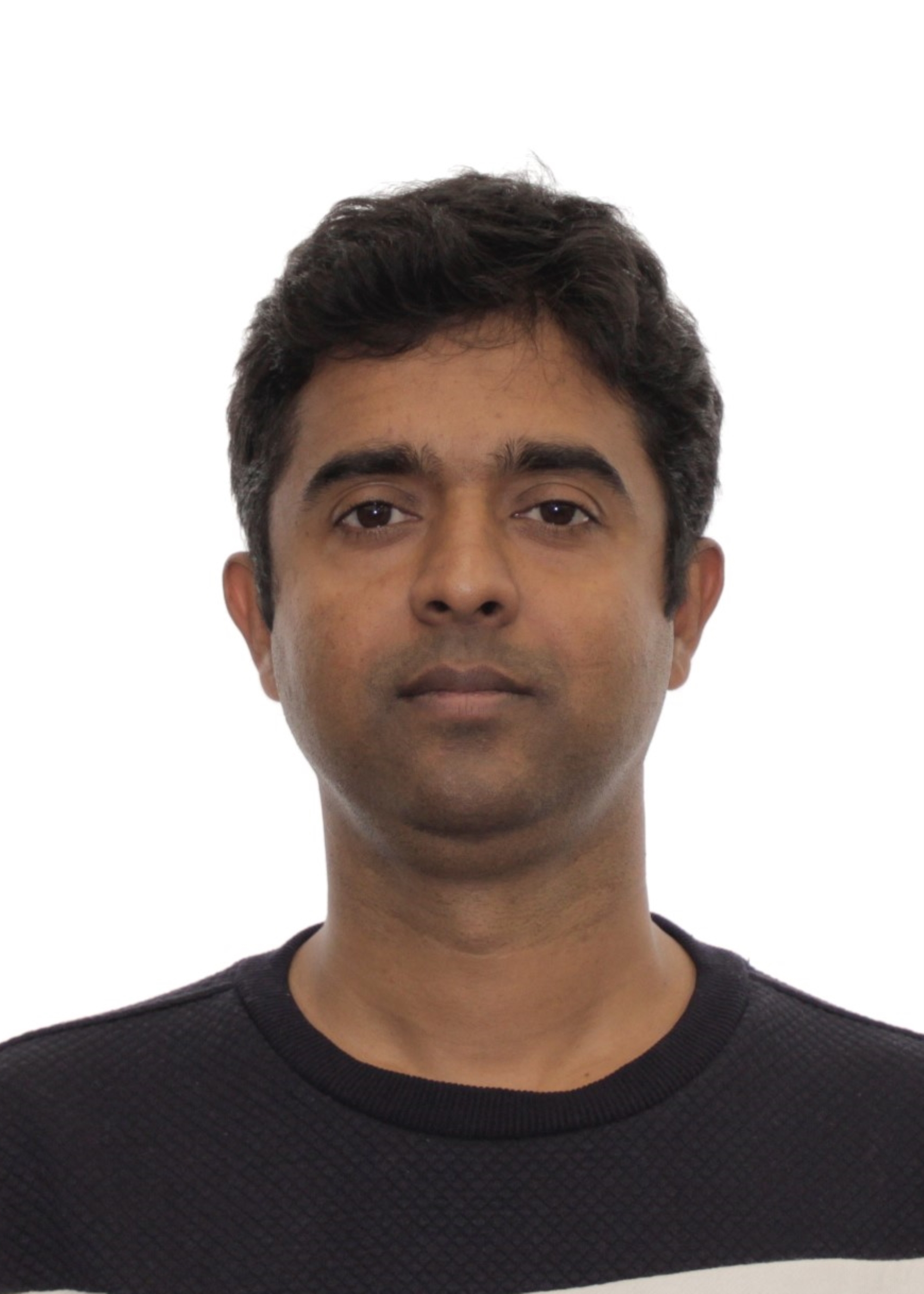 Shamim Ahmed Hira. Shamim Ahmed Hira completed his B.Sc. and M.Sc. degrees in Chemistry at Shahjalal University of Science and Technology, Sylhet, Bangladesh, and earned his Ph.D. in Chemistry from Pusan National University, South Korea. He has published around 30 peer-reviewed journal articles and is currently a Postdoctoral Researcher at the University of Guelph, Canada, working at the interface of chemistry and environmental science. His research focuses on developing MOF-based materials for electrochemical sensing and environmental monitoring.
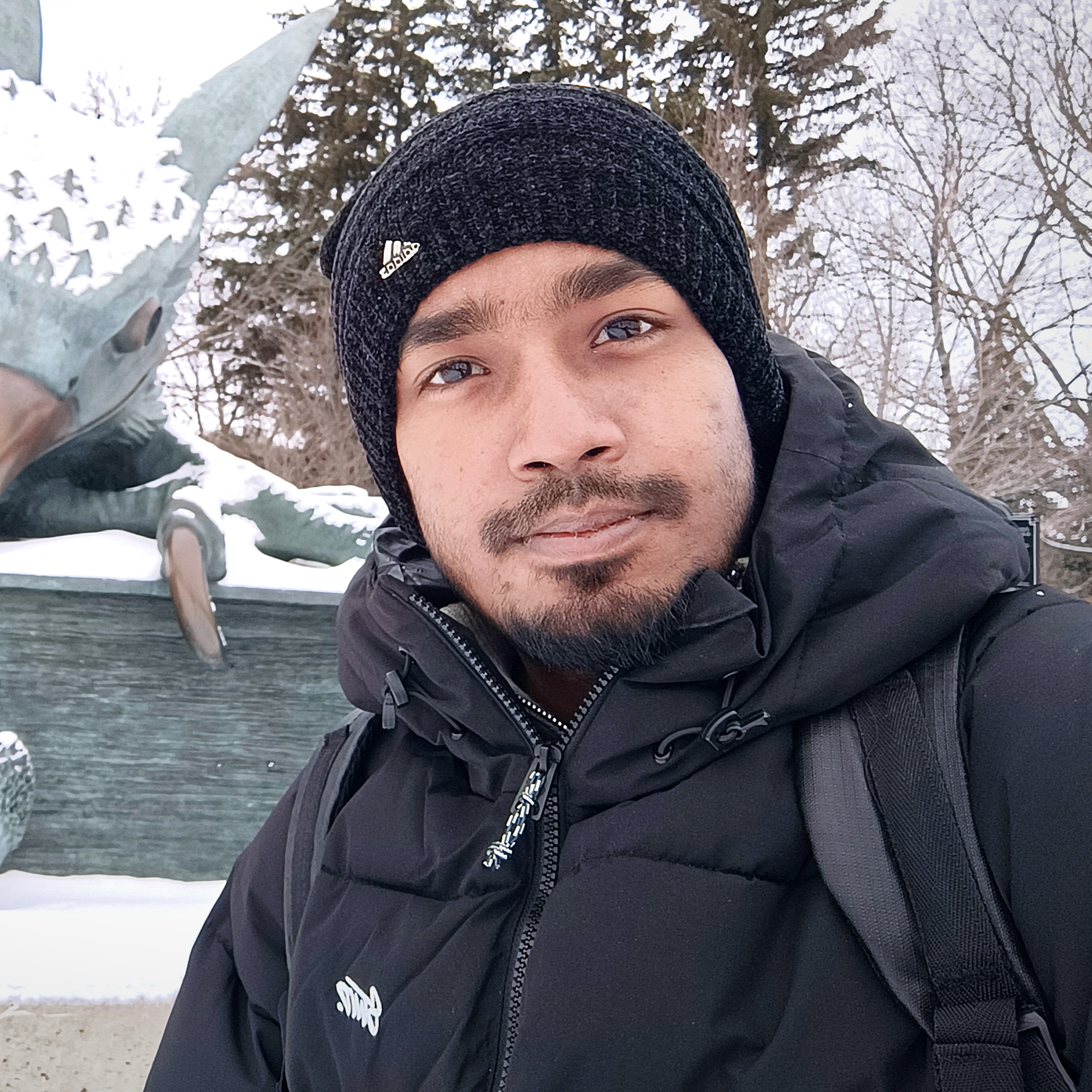 Sohel Barua. Barua is a PhD student exploring microbial source tracking (MST), with a focus on fecal contamination in recreational and environmental waters. His research emphasizes the development and validation of Bacteroides-specific genetic fingerprints with improved sensitivity for fecal-specific source tracking. He completed both his BSc and MSc in Genetic Engineering and Biotechnology at the University of Chittagong, Bangladesh. His prior research investigated the probiotic potential of drinking-water coliforms against enteric pathogens, providing hands-on experience in molecular microbiology.
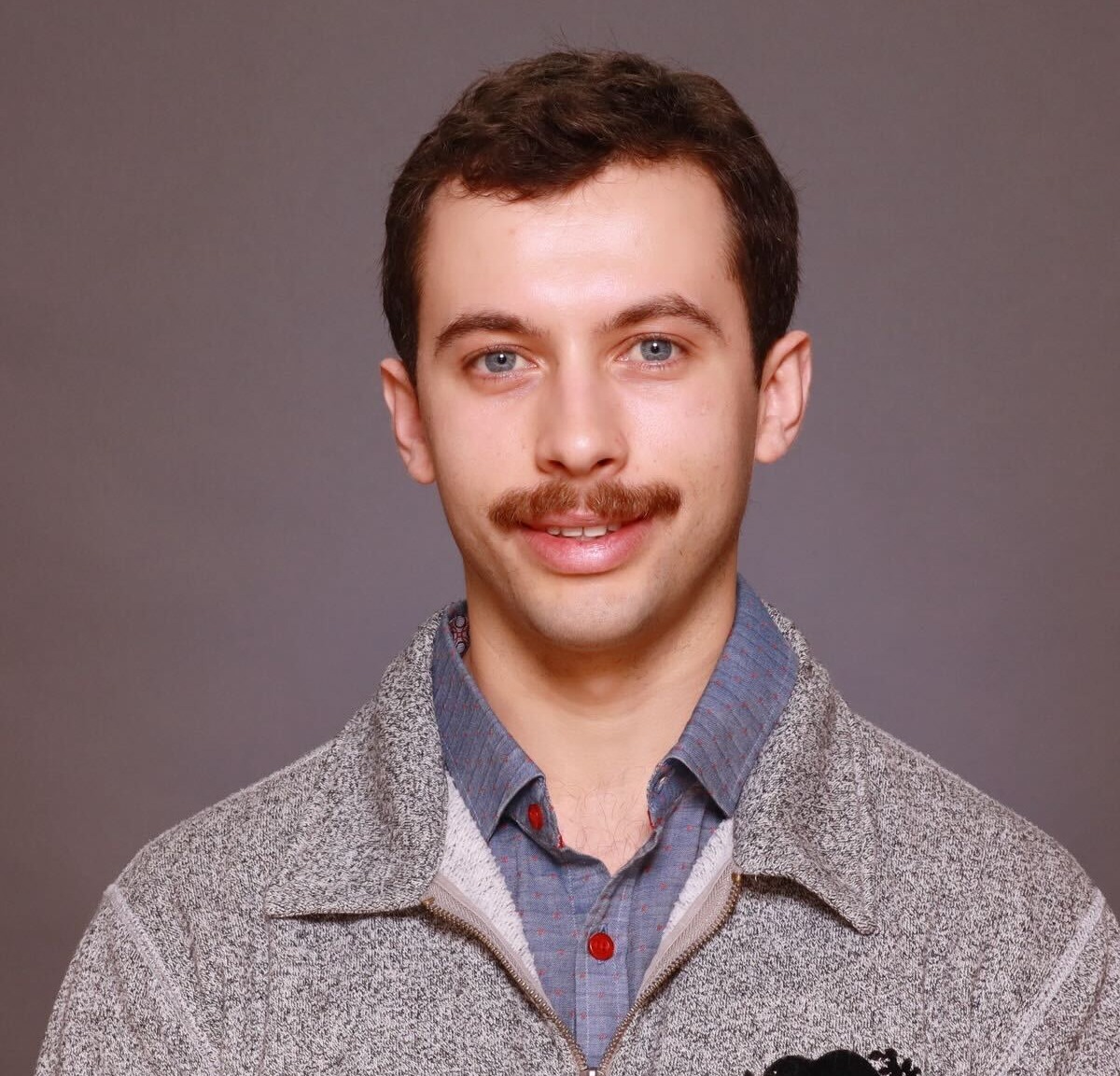 Charlie Chettleburgh. Charlie is a PhD student whose research interests lie at the intersection of microbiology, environmental science, and public health. He has a BSc in Microbiology and an MSc in Environmental Science from the University of Guelph. Charlie’s previous research has focused on the spatial and temporal variation of microbial source tracking markers, as well as the seasonality of enteric viruses in wastewater. Charlie is passionate about microbiome-inspired green infrastructure and is working on his thesis titled: A Microbiome-First Approach to the Design and Control of Stormwater Bioretention Cells.
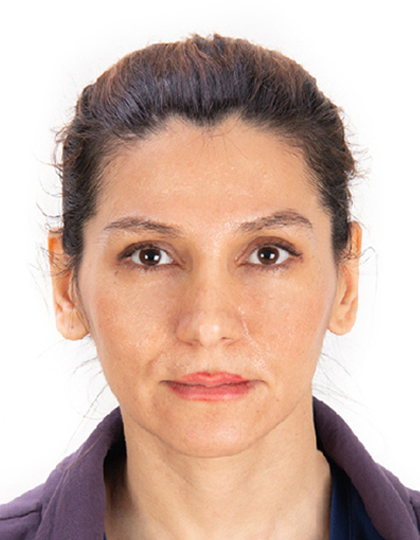 Katayun Mohammadi. Katayun Mohammadi is a PhD student in Environmental Sciences at the University of Guelph. She holds a MSc in Food Safety from the University of Guelph and has a background in food safety, microbiological testing, and microbial resistance. Her previous research focused on chemical interventions targeting E. coli persister cells, enhancing the understanding of bacterial survival under stress and treatment resistance. Her research centers on advancing real-time, in situ monitoring technologies for waterborne pathogens and antimicrobial resistance (AMR) in complex aquatic systems. The goal of this work is to enable early detection, inform rapid mitigation responses, and ultimately support interventions that reduce disease burden, combat antimicrobial threats, and protect global public health.
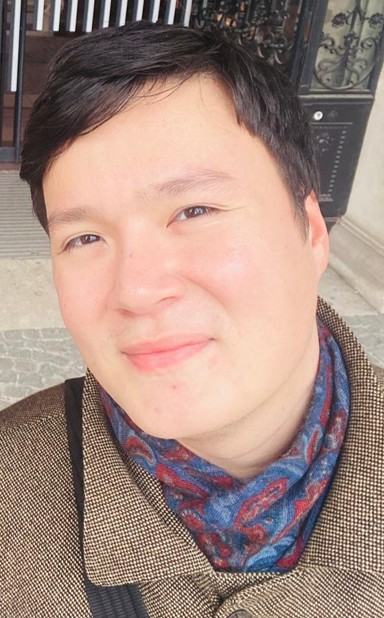 Victor Nogay. Victor’s PhD research in Environmental Sciences at the University of Guelph focuses on modular green wall systems for greywater treatment in cold climates. He holds an Honours MSc in Environmental Science from the University of Vienna and a BSc in Environmental Engineering from Bauman Moscow State Technical University. Using a combination of laboratory experiments, pilot-scale testing, and modelling, he studies system performance during winter conditions and recovery following freeze–thaw periods. Victor is particularly interested in practical, low-cost green infrastructure solutions that support decentralized water reuse and improve the resilience of urban water systems.
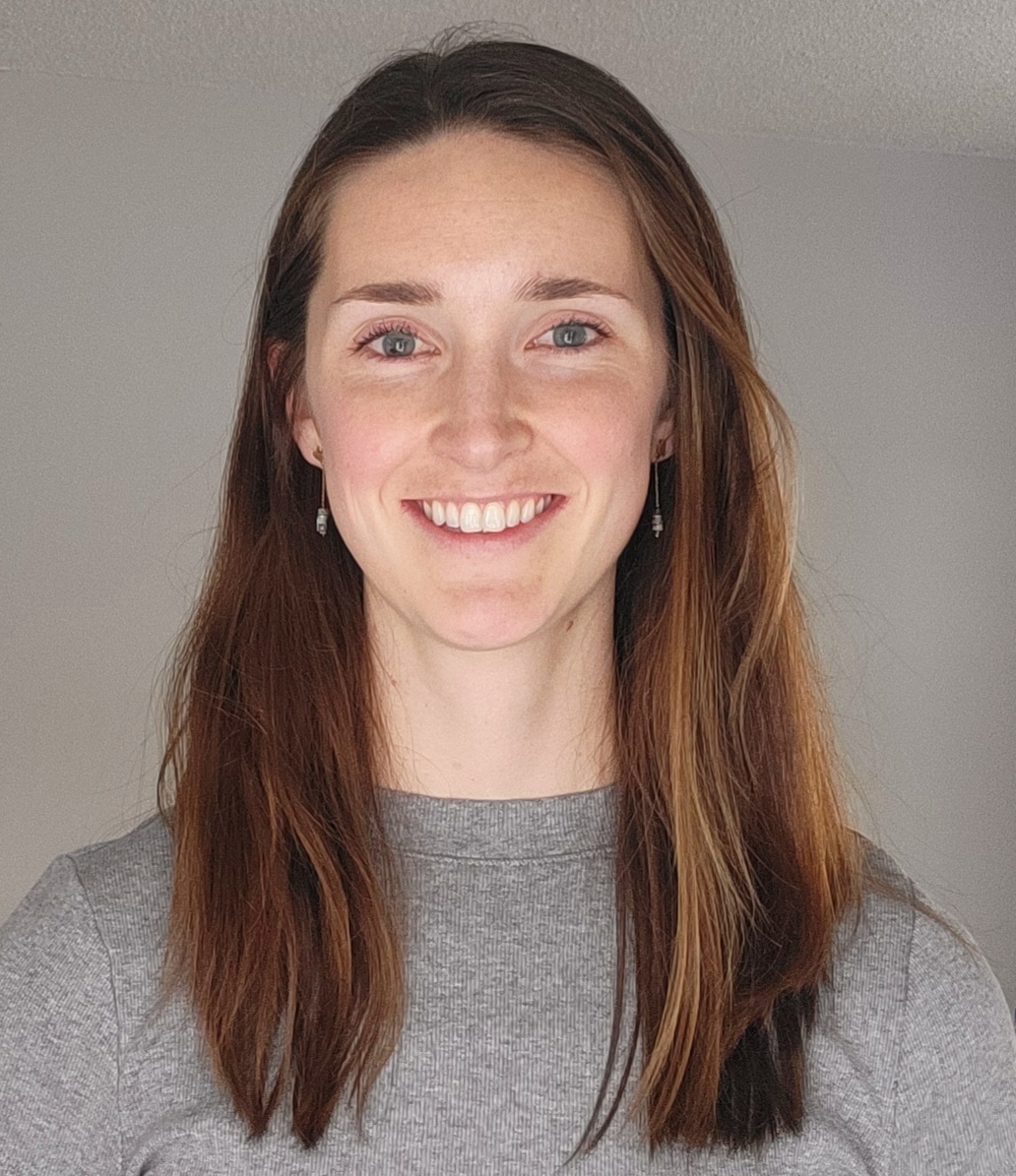 Carly Dinga. Carly is a research technician with a background in environmental science and applied microbiology. She holds a BSc in environmental science from the University of North Carolina at Chapel Hill and an MSc in Pathobiology from the University of Guelph. Carly’s research interests include the use of molecular methods for pathogen detection to understand their impact on environmental and human health. She is excited for the opportunity to assist with the many projects taking place in the microSCAPE lab.
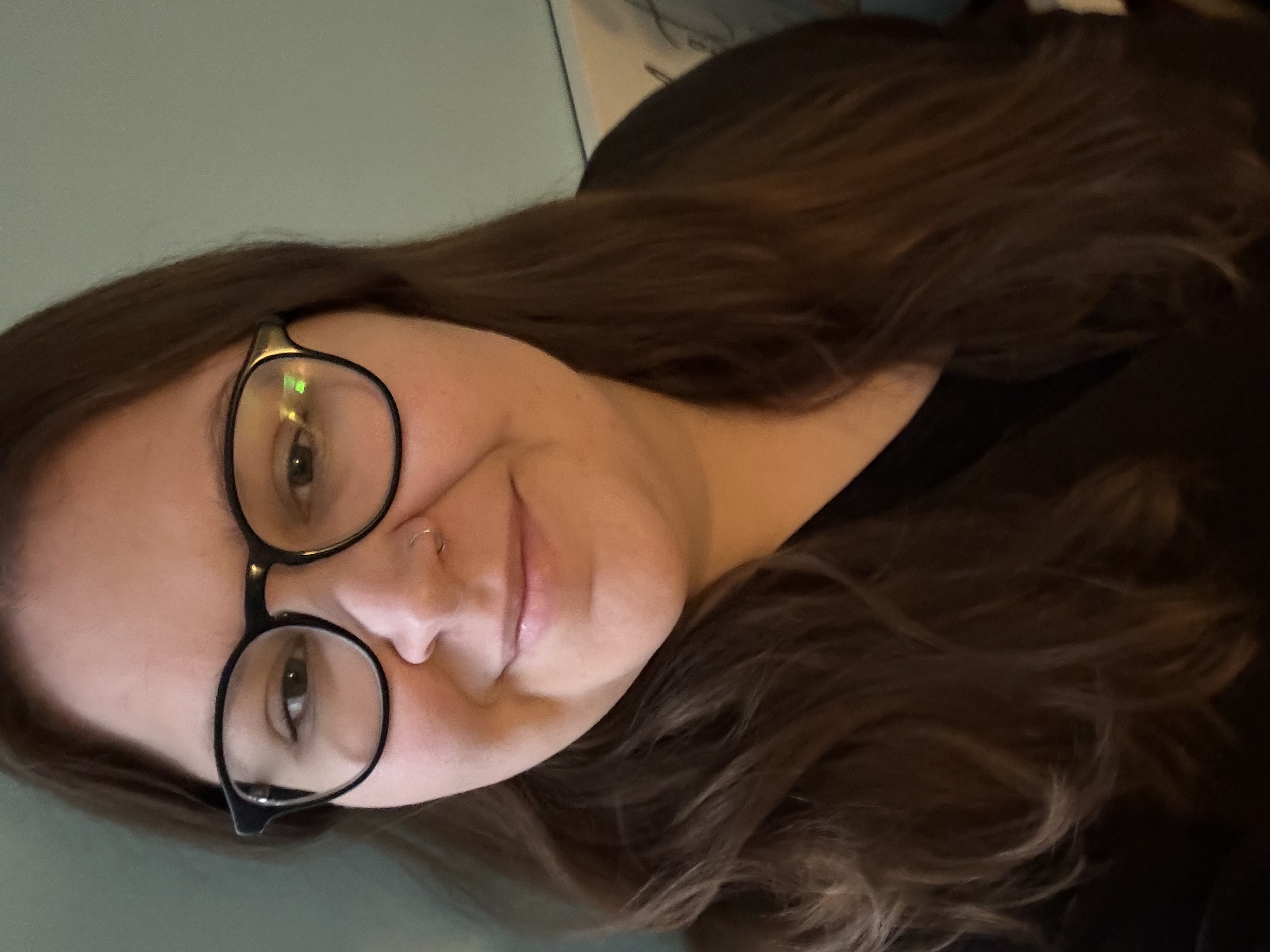 Hanlan McDougall. Hanlan is a research technician with a strong foundation in molecular biology and genetics from her BSc (Hons) at the University of Guelph, followed by an MSc in Environmental Sciences focusing on antimicrobial resistance in river water. Her experiences and interests encompass environmental microbiology, microbial source tracking, and wastewater-based epidemiology. Hanlan is passionate about applying molecular methods and bioinformatics to understanding microbial communities and their environmental and public health impacts. She is thrilled to join the microSCAPE team and contribute to diverse research projects.
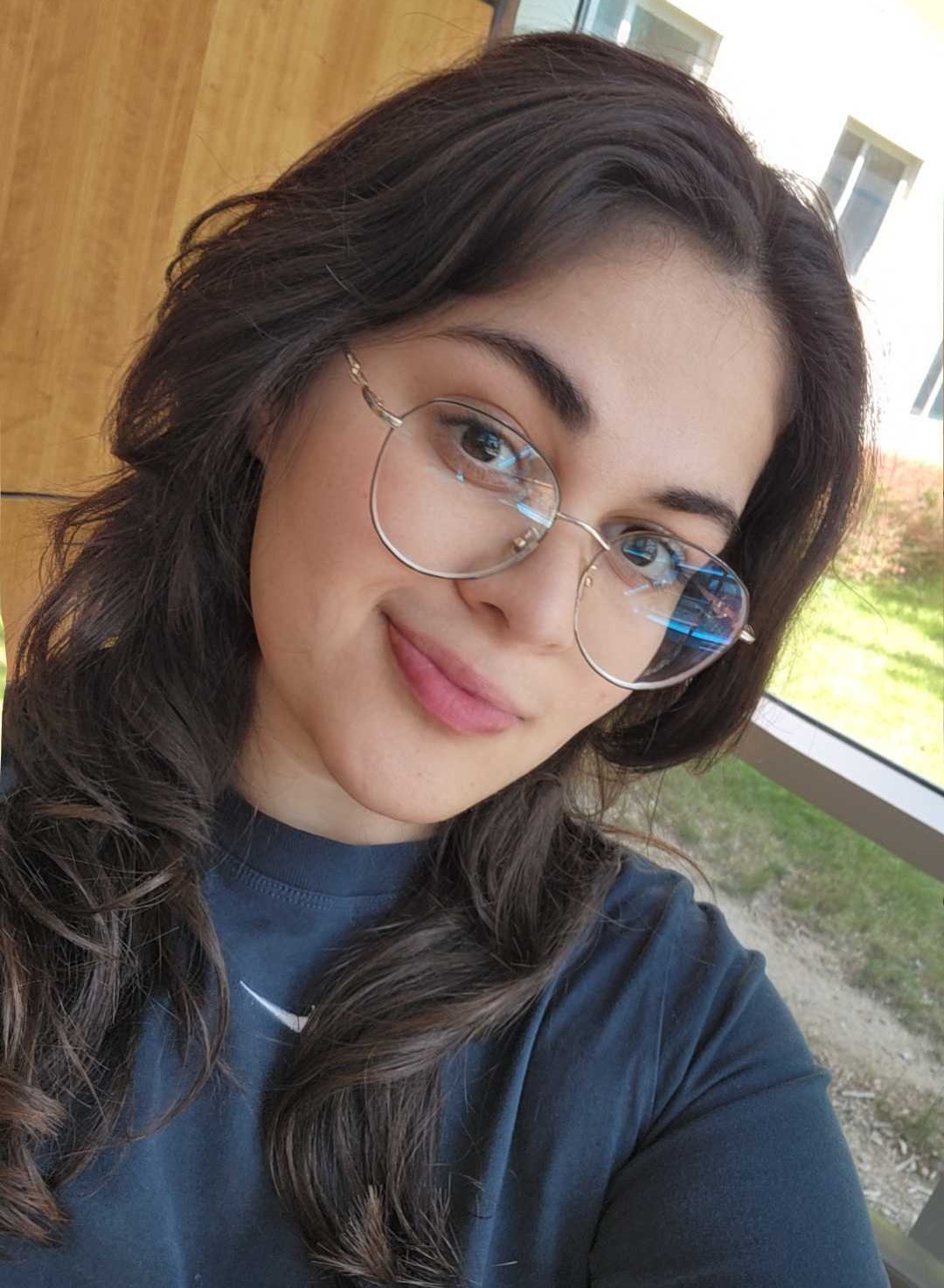
Azin Tabrizi. Azin is a fifth-year Microbiology Co-op undergraduate student at the University of Guelph, pursuing a minor in Molecular Biology and Genetics. She is currently an ISURA student in Dr. McCarthy's lab, where her research focuses on environmental microbiology and microbial water quality. She is passionate about understanding how environmental microorganisms impact human health.
CERC Cluster Hire
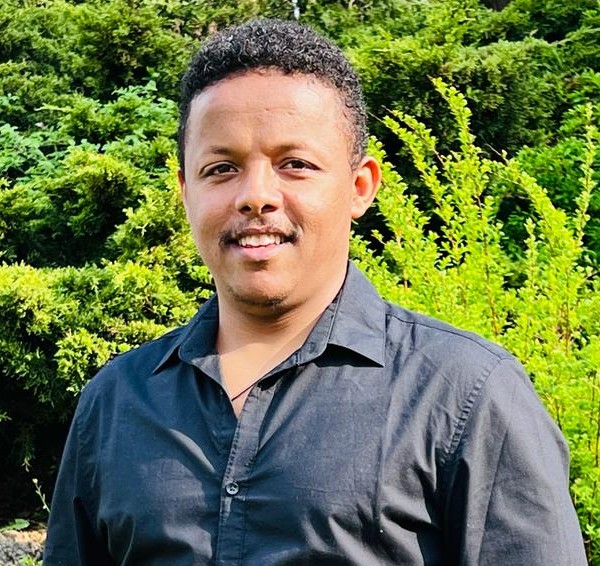 Dr. Binyam N. Desta. Dr. Binyam N Desta is an infectious disease epidemiologist focused on waterborne and foodborne diseases in Canadian and global contexts. His research combines infectious disease epidemiology, environmental health, and applied public health to understand and mitigate risks through data-driven, interdisciplinary, and One Health approaches. He examines how public perceptions and behaviours influence exposure to infectious diseases and evaluates the effectiveness of public health interventions, aiming to inform more equitable and resilient health systems.
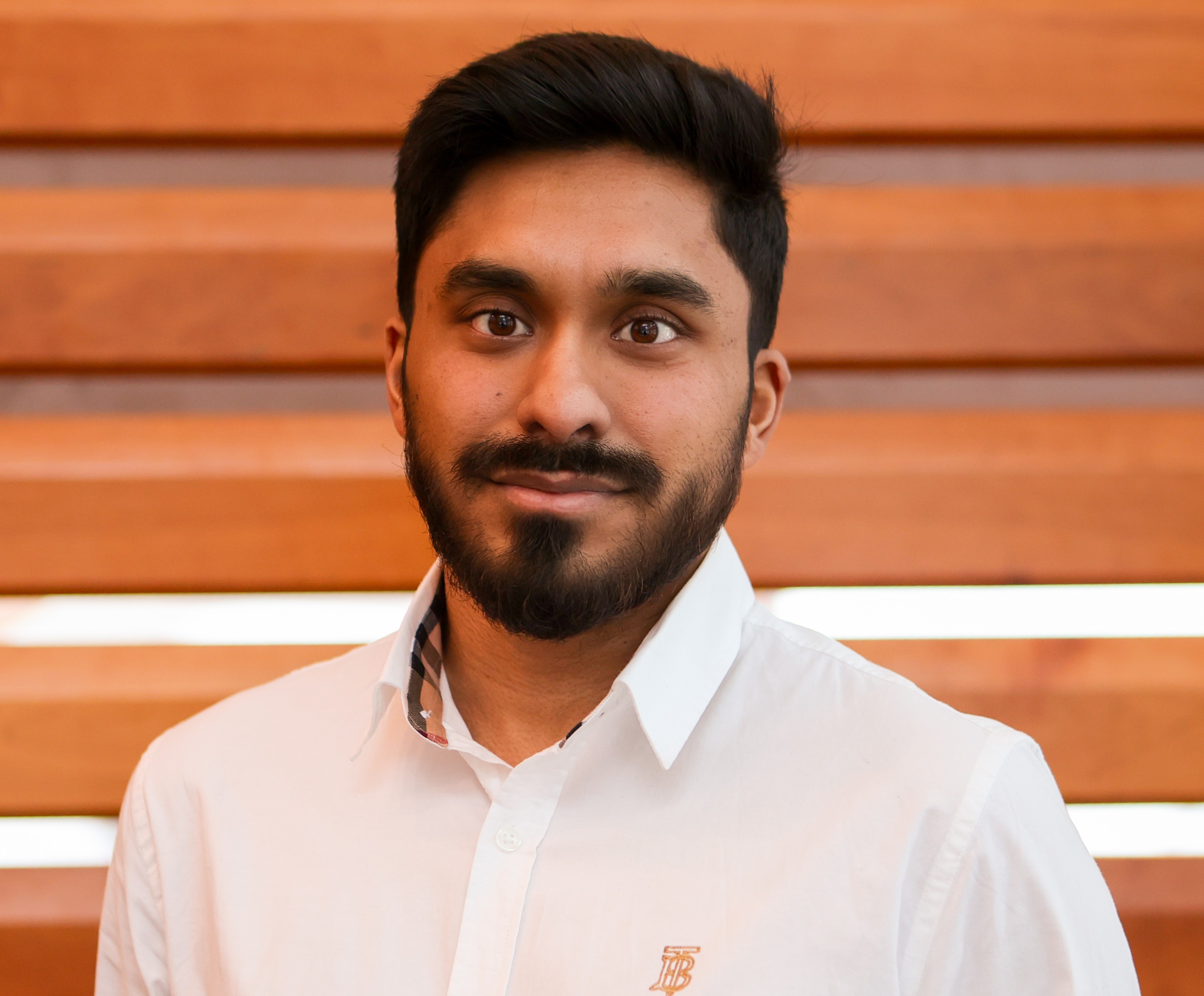 Dr. Shadman Khan. Dr. Shadman Khan is an Assistant Professor in the School of Environmental Sciences at the University of Guelph, specialized in the sensing of waterborne pathogens. His work integrates biochemistry, materials science, and engineering to develop low-cost, field-deployable platforms that enable reliable, rapid detection of contaminants. He completed his PhD at McMaster University and postdoctoral training at the California Institute of Technology. Through collaborations with industry, government, and public health partners, he has developed several patented sensing technologies that are now advancing toward commercialization. As part of the CERC team, he is developing scalable, real-time pathogen sensing technologies deployable across operational water systems and existing commercial workflows.
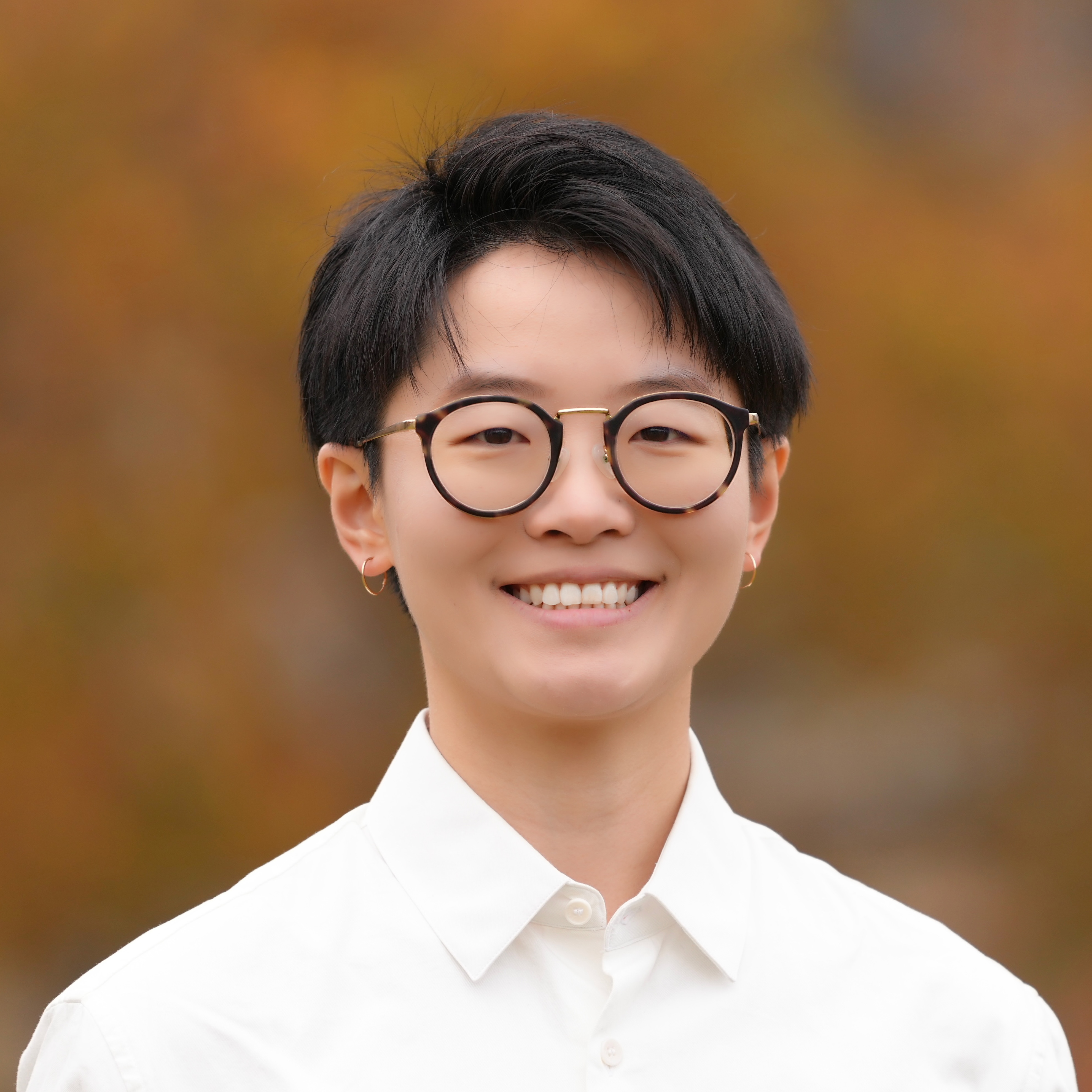 Dr. Wenxi Liao. Dr. Wenxi Liao is an Assistant Professor in the School of Environmental Sciences at the University of Guelph. Her research focuses on smart, nature-based solutions for water treatment, plant performance, and ecosystem health. She integrates interdisciplinary approaches, including experiments, remote sensing, and data science, to address emerging water and environmental challenges. Dr. Liao obtained her HBSc and PhD degrees from the University of Toronto and completed her postdoctoral fellowship at McGill University. Her work has been published in leading journals including Nature Cities, Environmental Science & Technology, and Journal of Environmental Management. She has delivered invited talks and presented her research over 20 national and international conferences and has received more than 20 awards and fellowships in recognition of her research excellence.
Alumni
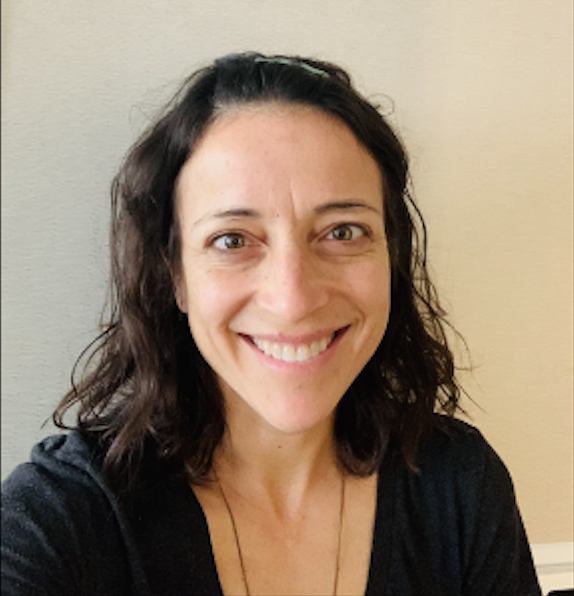 Michele Bergevin (PDF, 2025-2026). Michele holds a BSc from the Massachusetts Institute of Technology, having studied molecular biology, biomedical engineering, and economics to develop photosensitive hydrogels for tissue engineering applications. She holds a MASc from the University of Toronto in biomedical engineering and characterized microfluidics devices to study how the Lyme disease bacterium escapes the cardiovasculature. Michele holds a PhD from the University of Guelph, where she investigated the bioecology and epidemiology of mosquito-borne diseases in the context of climate change. Additionally, she has worked for multiple start-up ventures and in industry. Leveraging a versatile skillset, Michele continuously seeks opportunities to apply analytical tools and diverse technologies to innovate solutions that positively impact human, animal, and environmental health.
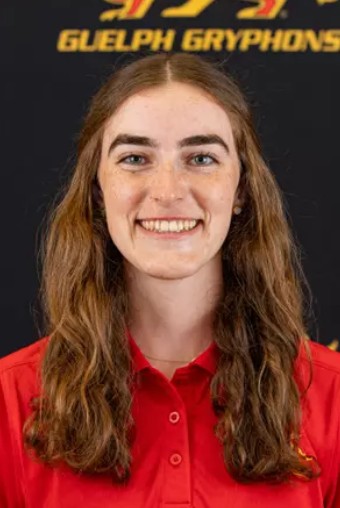 Jacqueline Giles (Undergraduate Research Assistant, Summer 2025). Jacqui completed a Honours Bachelor of Science Co-Op program majoring in Molecular Biology and Genetics at U of G (2026). Her previous experiences in public health and veterinary diagnostics have shaped her interests in infectious disease surveillance and understanding antimicrobial resistance mechanisms. Within microSCAPE, she worked to understand the sources, transport, and fate of enteropathogens in aquatic environments. In 2026 she started a Master of Public Health Student at the University of Guelph.
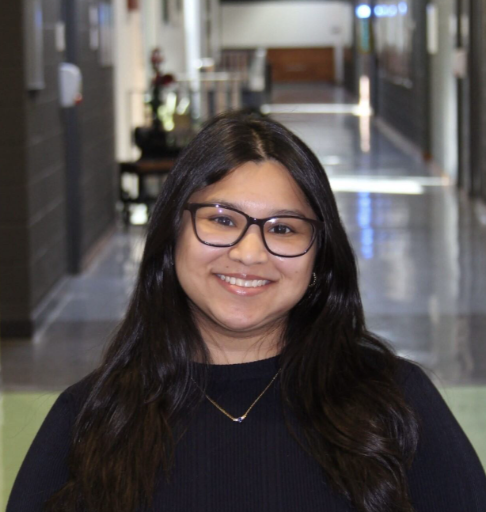 Fareezeh Islam (Undergraduate Research Assistant, Summer 2025). Fareezeh is an undergraduate student pursuing a Bachelor of Engineering with a major in Environmental Engineering at the University of Guelph. As a summer research assistant, Fareezeh worked on the development of an Equity, Diversity, and Inclusion (EDI) action plan for the CERC. The work mainly focuses on identifying barriers and advancing strategies to help build a more equitable, diverse, and inclusive research environment, in alignment with CERC objectives.
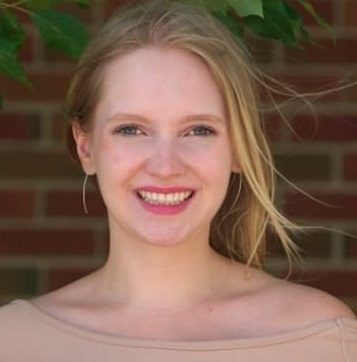 Nikola May (Research Technician, 2024-2025). Nikola is a microbiologist and a graduate of the University of Guelph, where she earned her MSc degree with a collaborative specialization in One Health from the Department of Pathobiology. Her introduction to the One Health philosophy significantly shaped her scientific approach, highlighting the importance of collaboration in driving comprehensive and innovative research. Her prior research includes investigating horizontal gene transfer dynamics within the gut microbiota, as well as employing high-throughput screening methods to assess antimicrobial activity in skin commensals, and subsequently conducting evaluations of the antimicrobial properties of bacterial extracts.
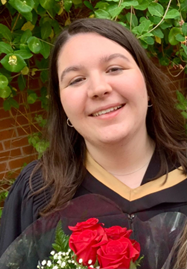 Emma Pearen (MBiot Research Project Student). Emma completed master’s degree in Biotechnology at the University of Guelph. She holds an Honours BSc in Biological Sciences from the University of Guelph. Her prior research involved investigating the role of intercellular adhesion proteins and actin dynamics in human podocytes as they relate to the development of chronic kidney disease. Emma’s research interests lie in the molecular mechanisms underlying human health and disease, and she is eager to apply her knowledge of molecular biotechnology to address public health challenges. She is excited to collaborate across disciplines in a dynamic research environment as a member of Dr. McCarthy’s lab.
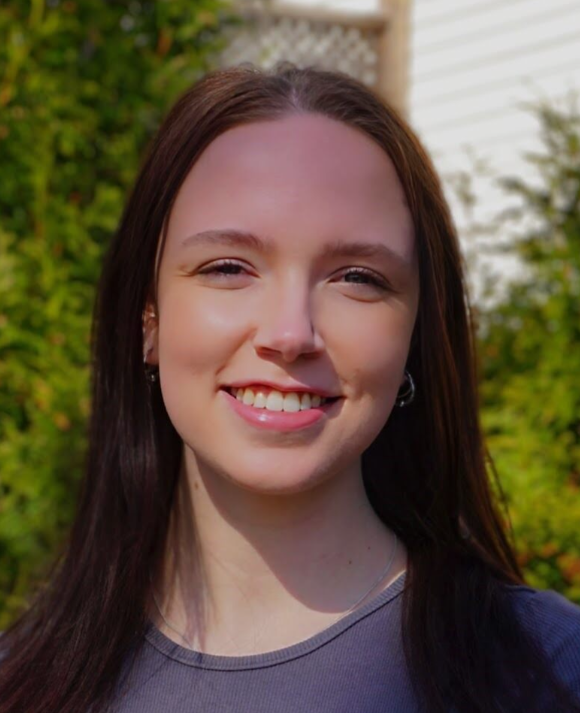 Abbey Robertson (Undergraduate Research Assistant, 2025-2026). Abbey completed an Honours Bachelor’s of Science in biomedical science and One Health. Her passion for global health and infectious disease led to an interest in understanding how pathogens move through the environment. She is now a medical student at Dalhousie University.
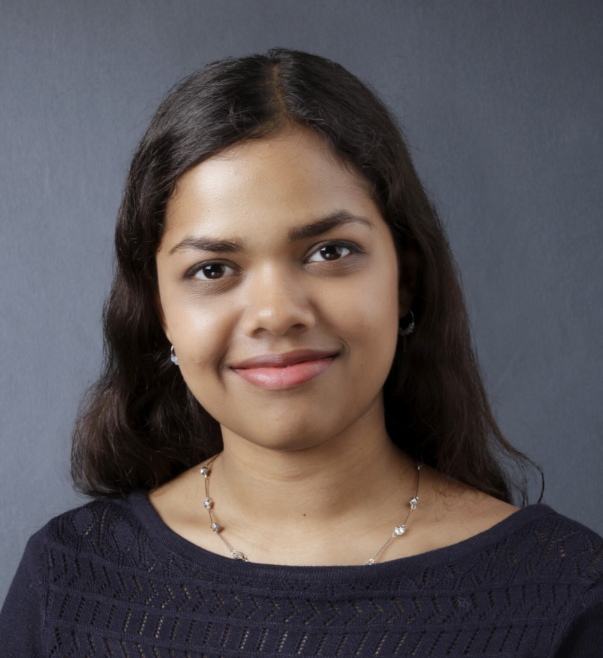 Michelle Thomas (Undergraduate Research Assistant, Summer 2025. Michelle is currently enrolled in an Honours Bachelor’s in Microbiology. Michelle has always been interested in how microbial pathogens interact in the environment, how they can affect climate change through positive feedback loops.
Jaime Van Loon (PDF 2025-2026. 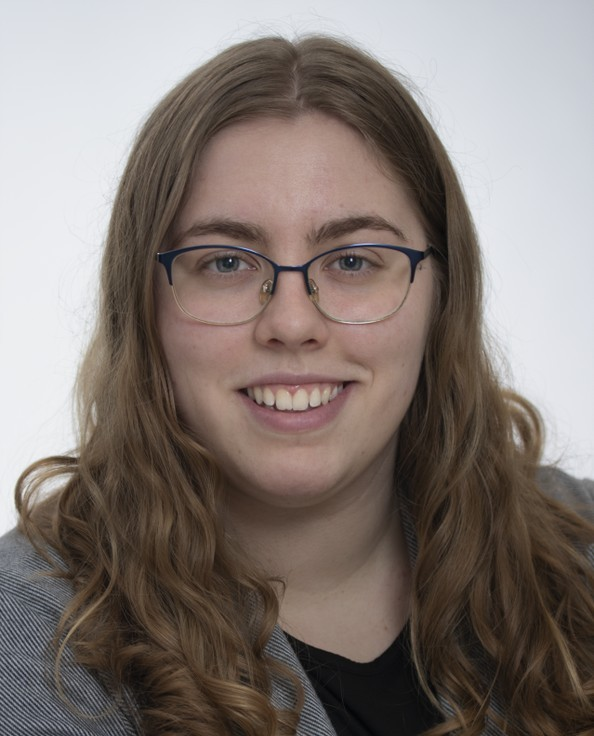 Jaime holds a BSc in Biological and Pharmaceutical Chemistry from the University of Guelph, and a PhD in Biochemistry from the University of Toronto/The Hospital for Sick Children. Her research applied molecular biology, microbiology, and biochemistry techniques to investigate the pathogenicity and antibiotic/antifungal resistance of Aspergillus fumigatus, Streptococcus intermedius, and Pseudomonas aeruginosa. Jaime focused on advancing methods for detecting waterborne pathogens, with an emphasis on identifying their sources and assessing their potential infectivity.
 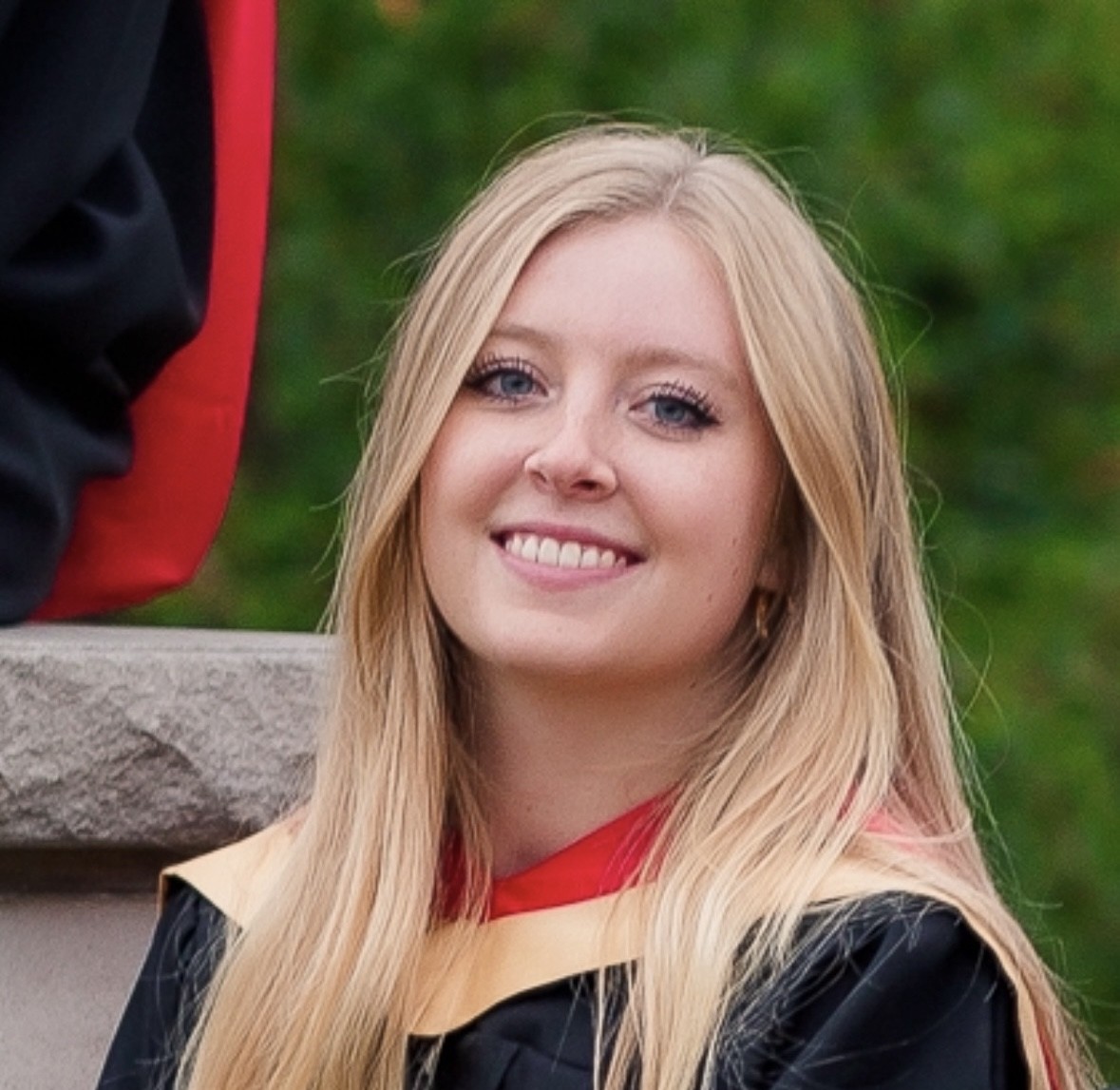 Erica Hollmann (Research Technician, 2026). Erica is a Laboratory Technician with training in environmental, forensic, and applied microbiology. She holds a BSc (Co-op) in Microbiology from the University of Guelph and an MSc in Forensic Science from Trent University. Her academic and professional experience includes environmental and wastewater sampling, molecular biology, applied data analysis in forensic and public-health contexts, and a strong focus on laboratory organization, quality, and safety. At MicroSCAPE, Erica supported laboratory operations, sample processing, and data organization to support consistent and reliable research work.
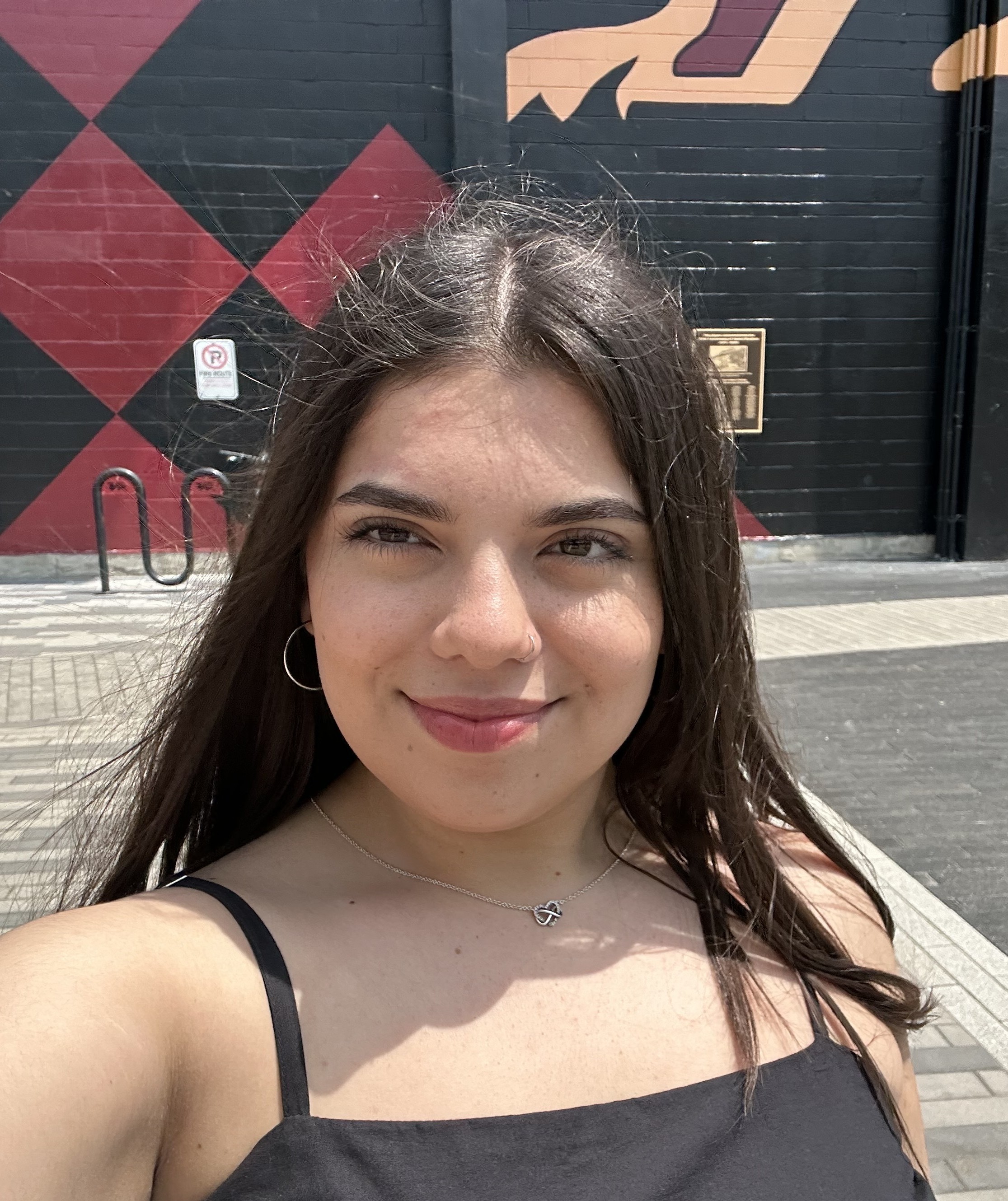 Himani Barrett (Administrative Coordinator 2024-2026). Himani holds an honours bachelor's degree in arts and sciences (BAS) from the University of Guelph, with focus on Spanish and Biology. Her role in this research team was as dynamic as her recently obtained degree. As a research team assistant (RTA) and administrative coordinator, her role was ever-changing based on the team's needs and priorities and her adaptability and energy always contributed meaningfully to the team.